Powering a Sustainable, Connected Caribbean: Caban and Digicel Launch Groundbreaking Solar Initiative in Jamaica
Powering a Sustainable, Connected Caribbean: Caban and Digicel Launch Groundbreaking Solar Initiative in Jamaica
Partnership will create a new layer of protection with solar and battery storage to guard against telecommunication outages during natural disasters
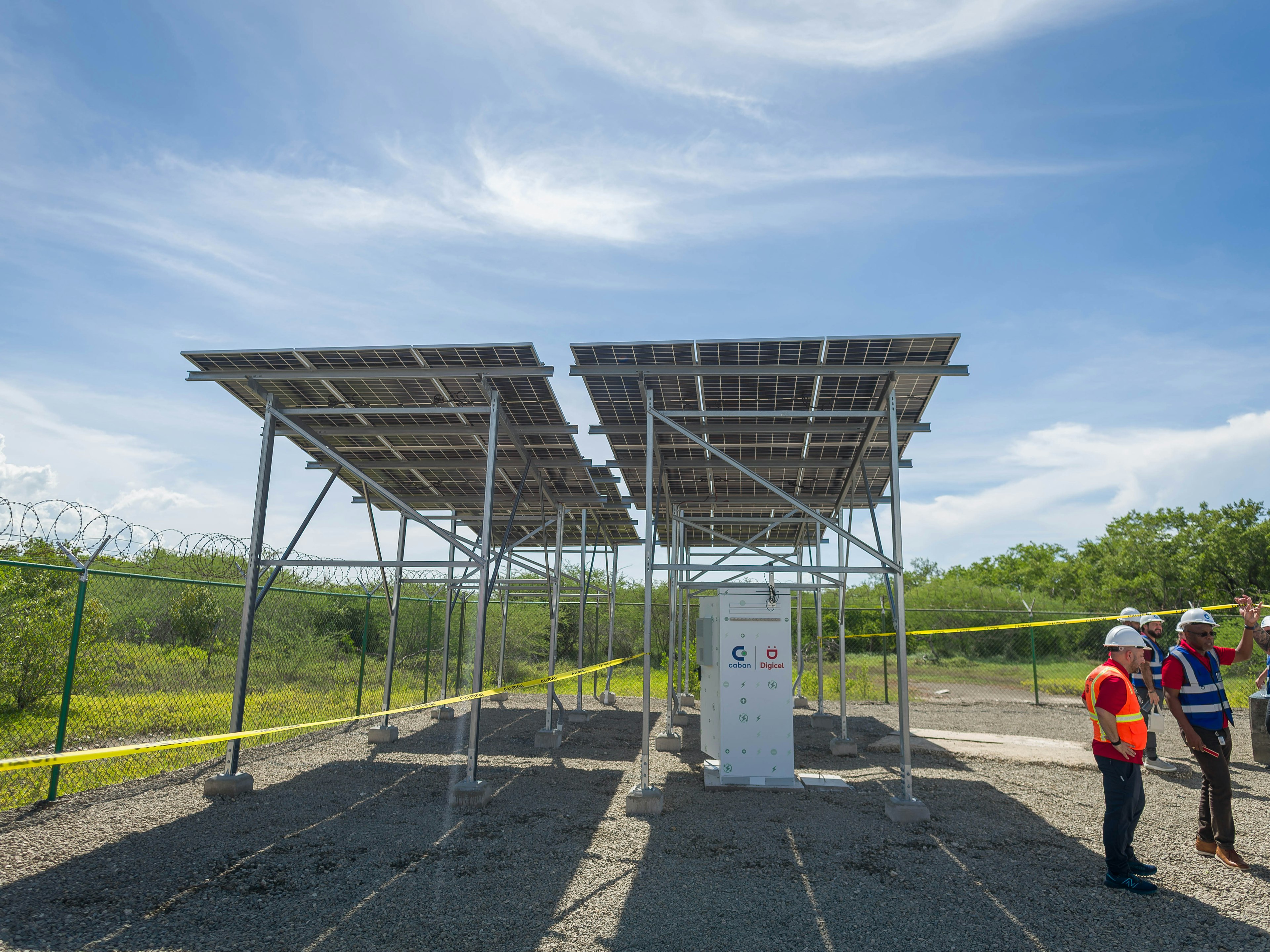
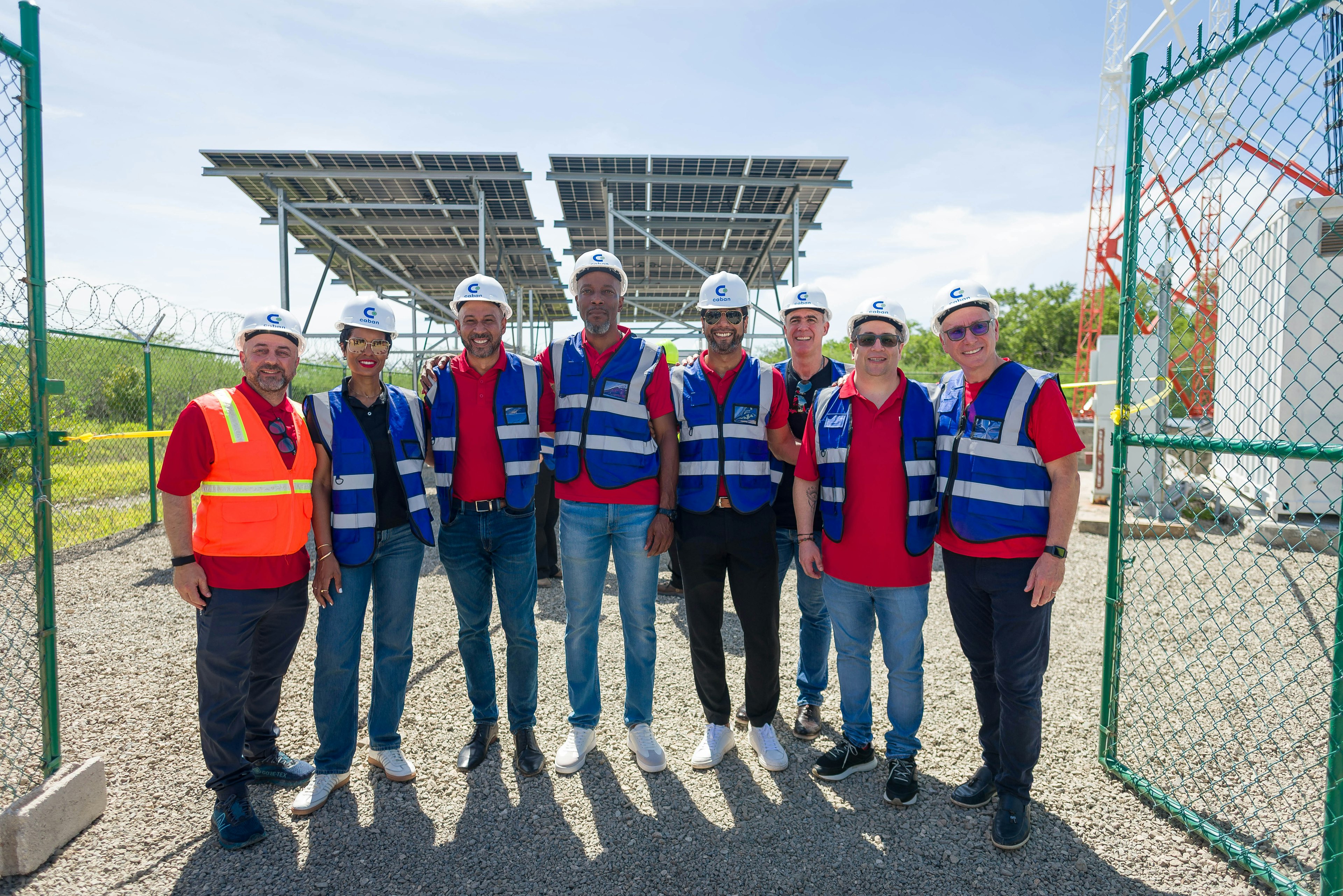
Kingston, Jamaica – Sept. 26, 2025: In a bold move to further strengthen the resilience of the telecommunications infrastructure across the Caribbean, Caban and Digicel Group, the largest mobile provider in the region, announced a landmark partnership aimed at solarizing up to 55 percent of Digicel Jamaica’s cell sites.
The initiative incorporates solar and energy storage systems to ensure continuous service during daily operations and severe weather events, marking a transformative step toward sustainable, reliable connectivity in one of the world’s most climate-vulnerable regions, with plans to replicate in neighboring countries.
The Caribbean continues to face the devastating impacts of increasingly intense hurricanes and extreme weather patterns, which threaten the environment and infrastructure that supports daily life and economic growth.
Caban, a Miami-based renewable energy company, will work closely with Digicel to install solar power battery packs equipped with advanced software at 511 of Digicel’s nearly 900 cell sites throughout Jamaica, followed by a wider roll-out in their other 24 markets.
By generating electricity onsite through solar panels and storing excess energy in batteries, the cell sites will reduce grid dependency during normal operating conditions and maintain operations during outages caused by grid failures or fuel shortages. Doing so will reduce the reliance on diesel generators and lower greenhouse gas emissions.
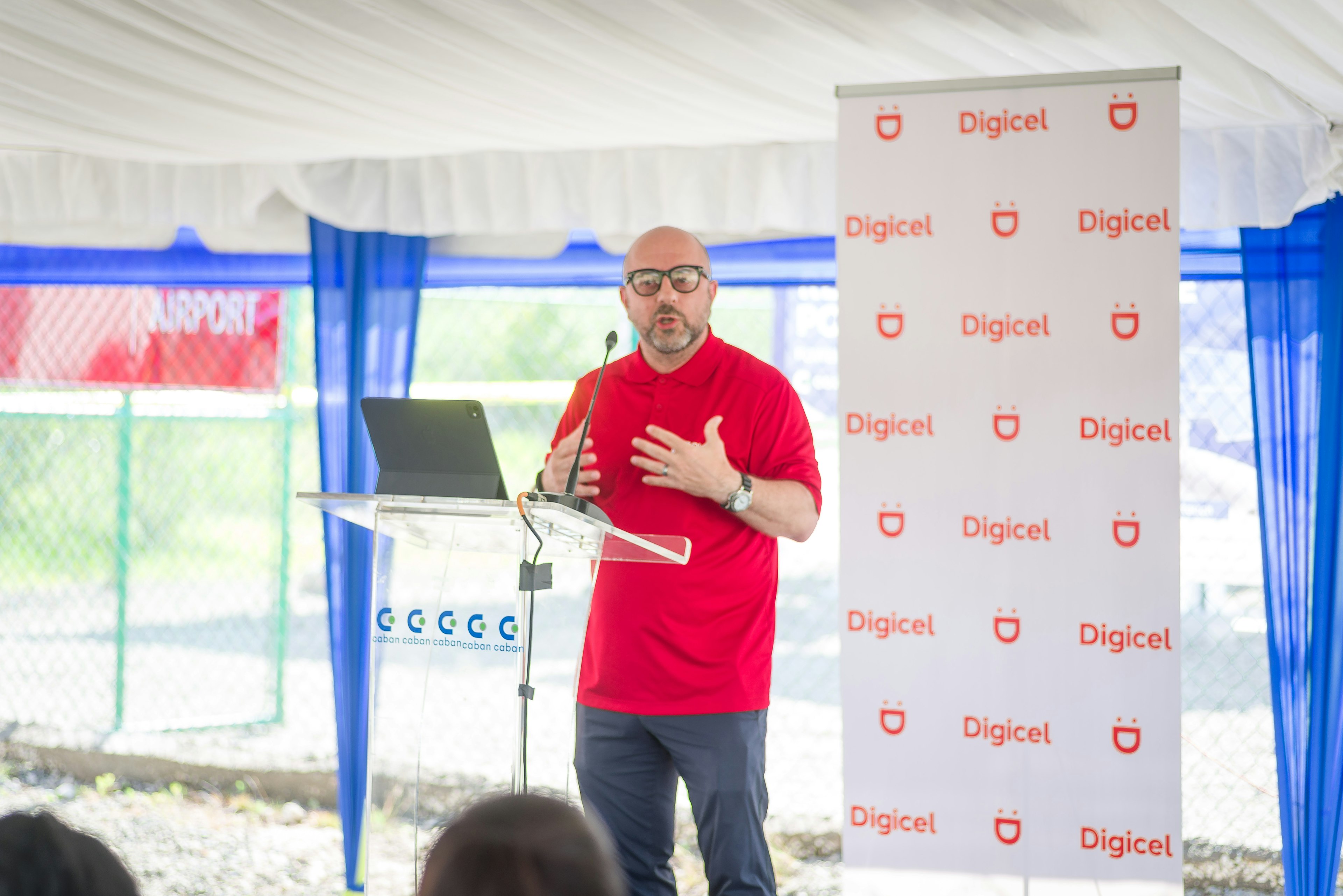
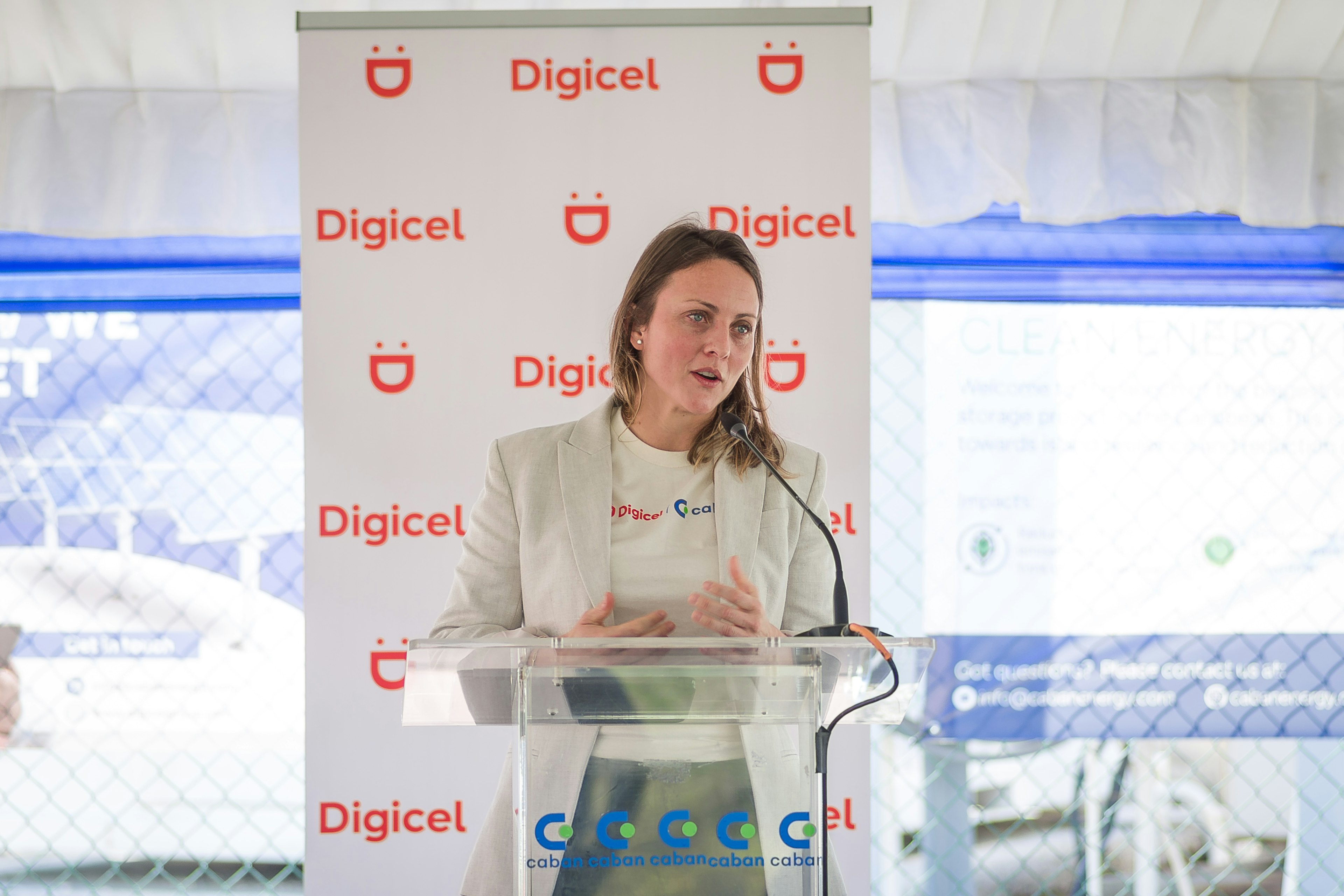
“Much of the world’s infrastructure is proving to be no match for increasingly severe weather,” said Alexandra Rasch Castillo, founder and CEO of Caban. “In the Caribbean, where communities face frequent storms and grid instability, it is imperative that we rethink how critical systems like telecommunications can be powered sustainably and resiliently. Our partnership with Digicel represents a pioneering effort to blend technological innovation with ecological stewardship, ensuring that connectivity endures even in the harshest conditions.”
Last year, Hurricane Beryl highlighted these vulnerabilities, causing significant damage to the south coast of Jamaica and across the wider Caribbean, particularly affecting the power supply that supports the telecommunications infrastructure.
Telecommunications networks are vital lifelines connecting families, businesses, emergency services, governments, and financial institutions. But they remain highly dependent on power grids that can be disrupted by such natural disasters.
Marcelo Cataldo, CEO of Digicel Group, emphasized the urgency and importance of the new relationship with Caban.
“The effects of Hurricane Beryl highlighted the importance of strengthening network reliability during crises. We made a commitment to the Jamaican government to invest in renewable energy solutions to enhance service continuity and contribute to a more sustainable energy future. This solar rollout is a critical step toward fulfilling that promise and safeguarding connectivity for millions of customers.”
By reducing operational costs associated with diesel fuel and minimizing downtime during outages, Digicel expects improved service continuity and enhanced customer experience.
The project also serves as a blueprint for replication across the wider Caribbean region, where mobile technology is indispensable but hardening electrical grids remains challenging.
“We anticipate that the success of this solar rollout in Jamaica will catalyze further deployments throughout our footprint,” Cataldo said. “This model demonstrates how collaboration between private companies and governments can deliver scalable solutions that protect critical infrastructure and promote sustainability.”
Caban and Digicel said the partnership is a step toward a future where telecommunications networks remain operational even during the most difficult moments, enabling families to stay connected, businesses to operate smoothly, and emergency responders to act swiftly.
“Building a resilient, sustainable telecommunications infrastructure is not just a technical challenge, it’s a social imperative,” concluded Rasch Castillo. “By harnessing clean energy and innovative technologies, we can protect what matters most: the connections that bind us all.”